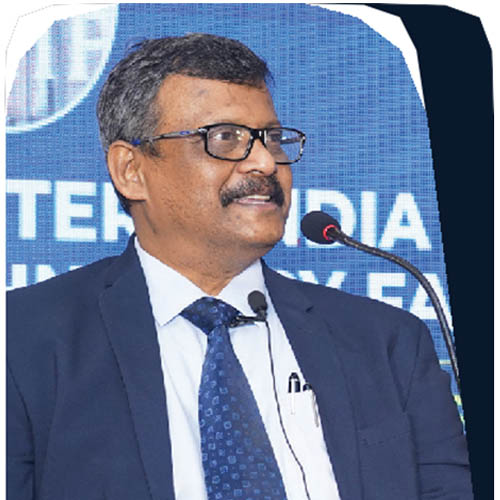
DR. DEEPAK KUMAR SAHU
CHIEF EDITOR – VARINDIA
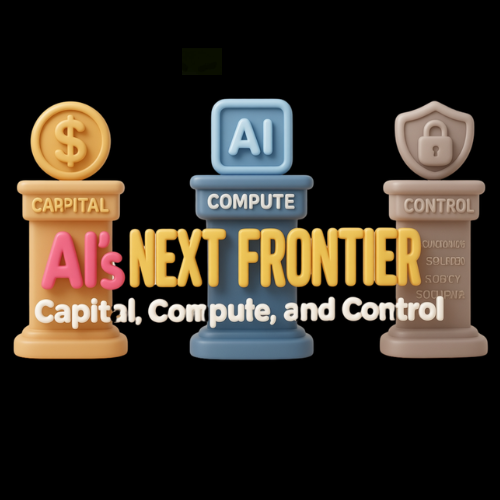
“As cyberattacks become more sophisticated and humanlike, digital identity is emerging as the weakest link in enterprise security. Stolen credentials and outdated authentication methods remain the leading cause of data breaches, especially as attackers increasingly use AI to launch highly convincing phishing and social-engineering attacks. India stands at a critical moment in its technology journey. While the country has built a $250 billion IT industry and become a global leader in software services, its domestic IT spending accounts for only about 1% of global technology investments. Bridging this gap will be essential if India wants to play a leading role in the emerging AI-driven economy. One of the most important steps is investing in accelerated computing infrastructure, particularly GPU-powered systems that form the backbone of modern artificial intelligence. Unlike traditional computing, which improves gradually over time, accelerated computing dramatically increases performance and efficiency.
Cloud adoption, open banking, and remote work are transforming security in financial institutions. Identity has become the new security perimeter, making Identity and Access Management (IAM) central to modern banking cybersecurity. Banks must ensure that the right individuals have the right access at the right time. To address this, financial institutions are strengthening IAM frameworks with automated identity lifecycle management, role-based access controls, behavioral analytics, and risk-based authentication to detect anomalies and reduce insider threats while protecting sensitive financial data. The attack highlights the need for strict control over privileged access and stronger protection of enterprise management platforms through multi-layer authentication and continuous monitoring to detect intrusions early. Organizations must also prepare for destructive cyberattacks beyond ransomware by segregating critical systems, maintaining secure offline backups, and strengthening incident response, employee awareness, and proactive threat intelligence to respond quickly to large-scale disruptions.
India emerges as a new hotspot for cyber criminals with 4,168 crore calls in a year. Over 175,000 AI servers are currently exposed on the internet, many with weak or no authentication. Most run on GPU cloud instances with production models loaded. One open port can lead to massive cloud bills, stolen model weights, hijacked compute, or even poisoned models and remote code execution. We are also seeing how Tech companies are suddenly launching campaigns focused on adopting and promoting AI across their products and services.”

See What’s Next in Tech With the Fast Forward Newsletter









Tweets From @varindiamag
Nothing to see here - yet
When they Tweet, their Tweets will show up here.