RSAC 2026: Unity in the Age of AI
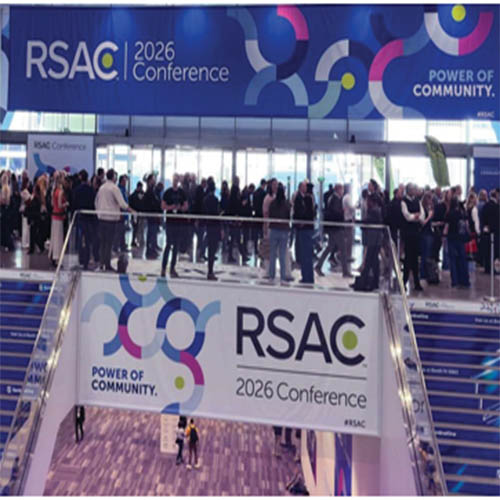
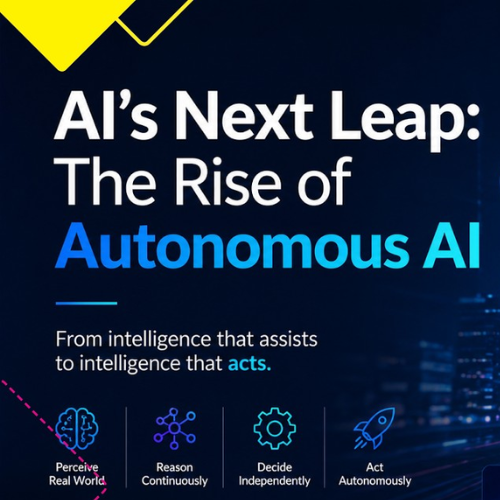
The RSA Conference 2026 (RSAC 2026), held from March 23–26 at the Moscone Center in San Francisco, brought together nearly 44,000 attendees under the theme “Power of Community.” This year strongly highlighted the shift of AI in cybersecurity from experimentation to real-world deployment, with a growing focus on agentic AI and securing non- human identities.
RSA continues to be a cornerstone event for cybersecurity and privacy, going beyond tools to foster meaningful conversations, learning, and industry collaboration. Techstrong once again co-located its DevOps event at RSAC, hosting a practitioner-focused seminar on the transition to AI-native development and security. Titled "AI NativeDev and the Next Evolution of DevOps," the full-day session provided a concentrated "center of gravity" within the expansive RSAC conference.
Featuring candid discussions from thought leaders like David Brin and Chenxi Wang, the event explored critical themes such as agentic development, non-determinism, and the necessity of redesigning security workflows for an AI- driven era rather than merely automating legacy tasks.RSAC this year underscored its strong emphasis on AI, alongside unexpected implications for how CISOs approach governance, organizational design, and board reporting.
Kevin Mandia of Ballistic Ventures argued for a shift toward an “AI versus AI” paradigm, where human intervention is minimized. He noted that AI agents are now embedded in red teaming operations, enabling large-scale, high-speed execution. Although AI compresses attack timelines, it also strengthens defense by automating response functions, reducing response times from five days to five minutes.
Palo Alto Networks has launched Prisma Browser for Business, a secure browser specifically designed to protect SMBs from browser-based threats, including risks associated with AI application usage. The browser features built-in defenses against phishing, ransomware, and fraud, alongside data security controls to prevent theft or leakage. According to CEO Nikesh Arora, the tool aims to simplify security decisions for smaller businesses, ensuring that secure AI adoption is accessible across the entire business landscape rather than just for large enterprises.
TOP HIGHLIGHTS:
Agentic AI & Autonomous SOC: The rise of agentic AI is transforming SOC operations from reactive to proactive, with AI agents handling triage and response.
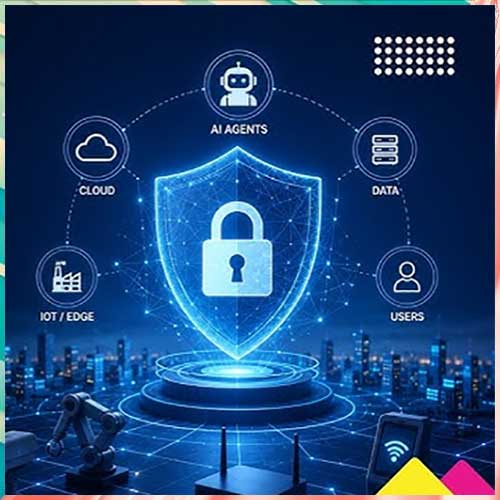
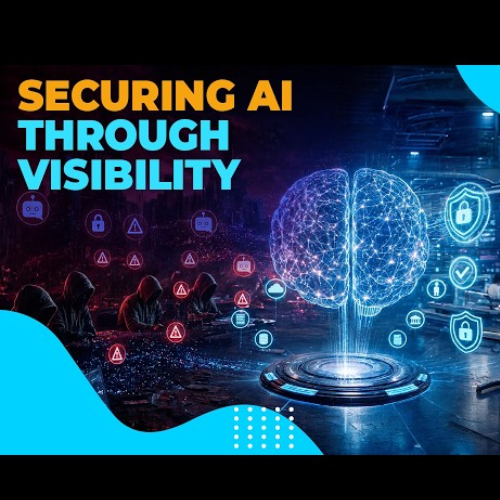
Security for AI: Focus on securing AI systems against threats like prompt injection, over-privileged agents, and unmanaged “shadow AI.” Non-Human Identity Governance: Increasing need to manage bots and machine identities with least-privilege and continuous monitoring.
Post-Quantum Cryptography (PQC): Urgency is growing to address quantum risks and “harvest now, decrypt later” threats.
CTEM & Risk Quantification: Shift toward prioritizing risks based on business impact rather than just technical scores.
Innovation: Geordie AI was named the most innovative startup at RSAC 2026.
KEY ANNOUNCEMENTS:
>> Arctic Wolf launched the Aurora Agentic SOC
>> Wiz (Google Cloud) introduced AI- APP for AI security
>> Cisco announced Zero Trust Access for AI Agents
>> Rubrik unveiled its Semantic AI Governance Engine
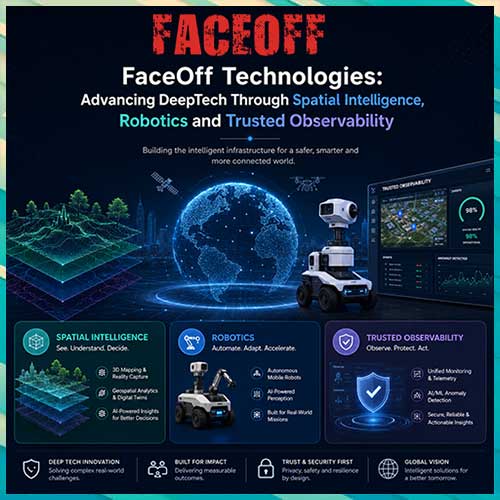
>> FaceOff showcased a PQC-powered approach to combat deepfake and synthetic fraud
RSAC 2026 highlighted the "Power of Community," serving as a massive gathering for the cybersecurity industry. As an editorial representative for a cybersecurity events organizer, it was heartening to witness the collective energy of the field. Ultimately, the event demonstrated the enduring human need to gather and collaborate on a global scale.
Organizations are deploying AI into workflows faster than they can establish necessary rules, controls, and accountability. While these systems act with the autonomy of privileged employees—accessing data and making critical decisions—many companies lack clear policies regarding agent permissions, monitoring, and liability. Rather than advocating for a slowdown, the focus should be on implementing guardrails to mitigate avoidable security, compliance, and operational risks. In this context, governance serves to align organizational safety and reality with technical ambition.

See What’s Next in Tech With the Fast Forward Newsletter




Tweets From @varindiamag
Nothing to see here - yet
When they Tweet, their Tweets will show up here.