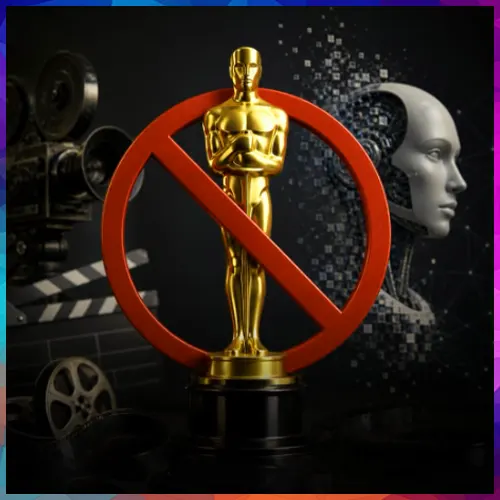
The updated rules require performances and screenplays to be created by humans, as the Oscars body responds to the growing use of artificial intelligence in filmmaking while allowing limited AI-assisted tools in other aspects of production.
The Academy of Motion Picture Arts and Sciences has introduced new eligibility rules for the Oscars, stating that only human-performed acting and human-written scripts will qualify for awards consideration. The move reflects rising concerns within the film industry over the expanding role of artificial intelligence in creative processes.
The updated guidelines clarify that performances must be “demonstrably” delivered by human actors, while screenplays must originate from human writers to be eligible for nominations. The Academy described the revision as a significant update, marking one of its most direct responses yet to the increasing use of generative technologies in cinema.
Growing role of AI prompts policy shift
The clarification comes at a time when AI tools are being used more widely in film production, including recreating actors and generating scripts. Recent developments—such as efforts to digitally recreate late performers and the emergence of fully AI-generated virtual actors—have intensified debate around authorship and originality in Hollywood.
Concerns over AI were also central to industry labour disputes in recent years, particularly involving screenwriters who raised objections to studios exploring automated script generation. At the same time, creators and studios have initiated legal action against several AI companies, alleging misuse of copyrighted material used to train such systems.
Limited use of AI still permitted
Despite tightening rules for acting and writing categories, the Academy has not imposed a blanket ban on AI in filmmaking. It clarified that the use of AI tools in other areas will neither automatically benefit nor disadvantage a film’s chances of securing nominations.
Instead, voters will evaluate submissions based on the extent of human creative control involved. The Academy also noted that it may seek additional disclosures from filmmakers if questions arise regarding the use of generative AI in a project.
Technology has long played a role in cinema, from practical effects to widespread use of computer-generated imagery (CGI). However, the Academy’s latest move draws a clear distinction between tools that assist human creativity and those that could potentially replace it.
With these changes, the organisation aims to preserve the integrity of artistic authorship while adapting to a rapidly evolving technological landscape, ensuring that human contribution remains central to award-winning storytelling.

See What’s Next in Tech With the Fast Forward Newsletter








Tweets From @varindiamag
Nothing to see here - yet
When they Tweet, their Tweets will show up here.