The social media major is reportedly developing an advanced AI assistant powered by its new Muse Spark model, aiming to create proactive digital companions capable of handling personal tasks, while raising fresh concerns over privacy, trust, and mounting AI investment costs.
Meta is intensifying its artificial intelligence ambitions with the development of a highly personalised AI assistant designed to perform tasks on behalf of users, signalling a major shift in how the technology giant plans to integrate AI across its platforms.
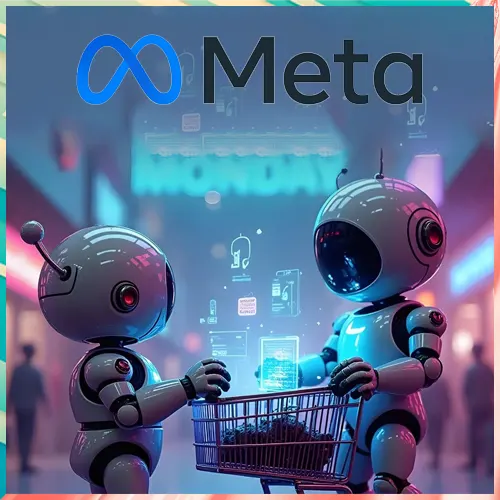
According to reports, the company is internally testing a new AI system powered by a model called Muse Spark. Unlike conventional chatbots that primarily respond to commands, the proposed assistant is being designed to operate more autonomously, helping users manage day-to-day activities with minimal supervision.
The project reflects Meta’s broader strategy to transform AI into a central layer across its ecosystem of social media and communication platforms, which collectively serve billions of users worldwide. The assistant is expected to support activities such as scheduling, communication management, reminders, and other personalised digital functions.
AI assistant aims to become proactive digital companion
People familiar with the development say Meta’s long-term objective is to build an AI assistant capable of understanding user behaviour deeply enough to anticipate needs and take actions independently. Internally, the system is reportedly being evaluated by select employees before a wider rollout is considered.
A key aspect of the initiative is its focus on hyper-personalisation. Reports suggest the assistant may eventually be able to process highly sensitive personal information, including financial and health-related data, to deliver more tailored support and recommendations.
However, the approach has already sparked concerns around privacy and data security. Questions are emerging over whether users would feel comfortable allowing an AI system extensive access to their personal lives, especially given the increasing scrutiny around how technology companies manage consumer data.
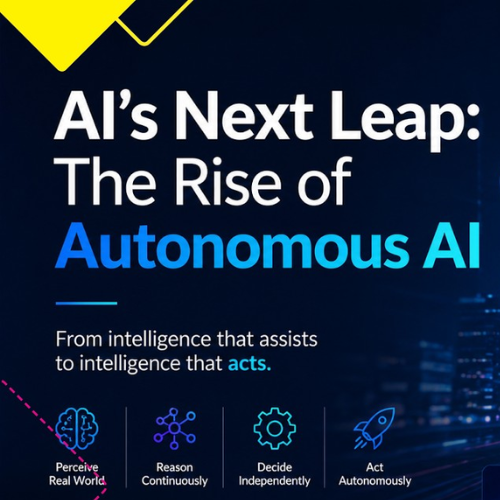
The development also highlights Meta’s growing focus on “agentic AI” — systems capable of acting independently rather than waiting for direct instructions from users.
Zuckerberg doubles down on long-term AI vision
The initiative aligns closely with the vision of Mark Zuckerberg, who has repeatedly emphasised the role of “personal superintelligence” in the future of consumer technology. The company believes AI assistants could eventually become central to how people interact with digital services.
At the same time, Meta’s aggressive AI investments are drawing increasing attention from investors. The company has sharply expanded spending on AI infrastructure, research, and talent acquisition while also restructuring parts of its workforce.
Reports indicate Meta recently increased its annual capital expenditure projections substantially, underscoring the scale of its AI push. Investor concerns over rising costs and uncertain returns have also weighed on market sentiment in recent months.
Beyond AI assistants, Meta is reportedly exploring interactive AI-generated 3D avatars and virtual personalities, further reinforcing AI’s central role in the company’s future product strategy.
While Meta sees AI assistants as the next evolution of personal technology, industry observers say widespread adoption will ultimately depend on whether users are willing to place significant trust in systems designed to know — and act for — them.

See What’s Next in Tech With the Fast Forward Newsletter








Tweets From @varindiamag
Nothing to see here - yet
When they Tweet, their Tweets will show up here.