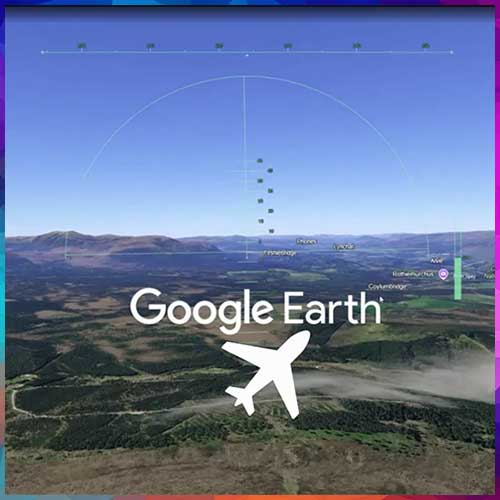
The long-standing flight simulator hidden within Google Earth’s desktop application is now available on the web, joining a range of new mapping and analysis tools aimed at enhancing the platform for professionals, enthusiasts, and casual users.
Google has expanded the capabilities of its web-based Earth platform by introducing one of its most enduring hidden features: the Google Earth Flight Simulator. The addition marks the first time the aviation-themed experience is available directly through a web browser, eliminating the need for users to download the desktop application.
The flight simulator, originally introduced in 2007 as an Easter egg within Google Earth’s desktop software, has remained a favorite among aviation enthusiasts and curious users for nearly two decades. Its arrival on the browser version forms part of a broader update that also introduces advanced mapping and geographic analysis tools.
Google said the latest enhancements are intended to make the web platform more useful for researchers, professionals, educators, and hobbyists who rely on geographic data and visualization capabilities. New additions include elevation profiles, expanded data layer options, and support for additional file import formats.
Classic feature finds new life on the web
While many of the newly added capabilities are geared toward mapping and geospatial analysis, the flight simulator serves a more recreational purpose. Users can now virtually pilot an aircraft across digital recreations of cities, mountains, coastlines, and landmarks from around the world directly within their browsers.
Accessing the feature is straightforward. After launching Google Earth on the web, users can search for any location globally and activate the simulator through the platform’s tools menu. Once launched, the experience allows players to navigate through Earth's virtual landscapes using keyboard or mouse controls.
The simulator offers a simplified flying experience compared with dedicated aviation titles. Users control aircraft movement, adjust speed, and navigate freely across the globe. Crashes end the current session, but players can immediately restart and continue exploring.
Global exploration remains the main attraction
Unlike dedicated flight simulation games that focus on missions, aircraft management, or realistic aviation procedures, Google Earth’s version emphasizes exploration. Its greatest strength lies in access to the platform’s extensive mapping database, allowing users to fly over famous landmarks, natural wonders, and urban centers almost anywhere on the planet.
The experience provides an interactive way to view geographic locations from the air, offering perspectives that go beyond traditional map navigation. From soaring above mountain ranges to navigating around iconic structures, users can create their own routes and adventures without predefined objectives.
With the flight simulator now integrated into the browser version, Google is reviving one of its most beloved hidden features while making it accessible to a much wider audience. The move also reflects the company’s broader effort to transform Google Earth into a more feature-rich platform that combines professional mapping tools with engaging interactive experiences.

See What’s Next in Tech With the Fast Forward Newsletter









Tweets From @varindiamag
Nothing to see here - yet
When they Tweet, their Tweets will show up here.