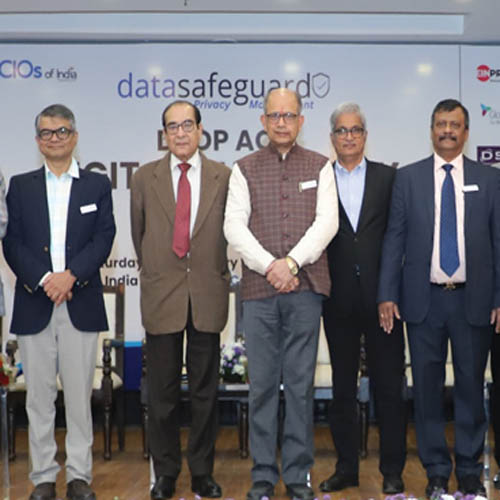
Data Safeguard recently convened an exclusive, closed-door, invitation-only forum titled "DPDP Act: Digital Autonomy" at the prestigious India International Centre (IIC), New Delhi, bringing together a distinguished gathering of senior government officials, policymakers, regulators, industry leaders, legal experts, and privacy practitioners. The forum served as a high-level platform to deliberate on India's evolving data protection landscape and the nation's journey toward responsible, sovereign, and trust-based digital governance under the Digital Personal Data Protection (DPDP) Act.
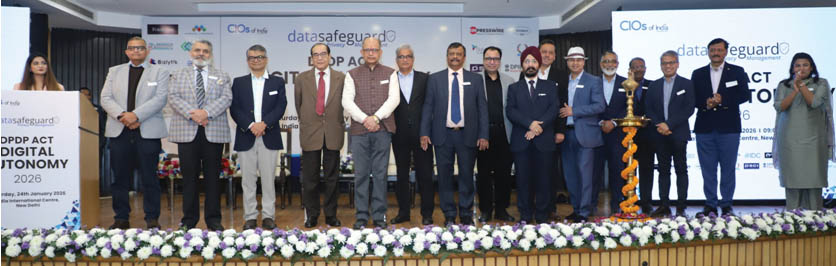
The event commenced with a ceremonial inauguration and traditional lamp-lighting, symbolizing the collective commitment to safeguarding citizens' digital rights. The inauguration was led by Dr. Gulshan Rai, former National Cyber Security Coordinator, Government of India; Shri Vinayak Godse, CEO, Data Security Council of India (DSCI); Dr. Amar Patnaik, former Member of Parliament; and Shri Sudhir Sahu, Founder & CEO, Data Safeguard.
The forum was graced by Shri S. Krishnan, Secretary, Ministry of Electronics and Information Technology (MeitY), Government of India, as the Chief Guest. In his address-also shared through a recorded message-Shri Krishnan described the DPDP Act as a landmark reform that strengthens citizen trust, institutional accountability, and responsible data governance. He emphasized that the legislation is central to India's vision of digital autonomy, balancing the protection of personal data with the need to foster innovation, economic growth, and a resilient digital ecosystem.
 |
Following this, Guest of Honour addresses were delivered by Shri Vinayak Godse, CEO, DSCI, and Dr.Gulshan Rai, former National Cyber Security Coordinator and former Director General of CERT-In. Shri Godse highlighted the importance of industry readiness, cross sector collaboration, and embedding security-by-design and privacy-by-designprinciples into digital systems to ensure effective compliance. Shri Rai underscored the critical role of trust, accountability, and strong institutional capacity in operationalizing data protection frameworks at scale, stressing that legislation must be supported by robust implementation and enforcement mechanisms.
The Keynote Address by Dr. Amar Patnaik explored the theme "Digital Autonomy: From Compliance Burden to Competitive Catalyst." He articulated how well-designed and effectively implemented data protection regimes can go beyond regulatory compliance to become strategic enablers-strengthening democratic values, enhancing economic competitiveness, and reinforcing India's sovereign digital future in a data-driven global economy.
Setting the broader industry context, Shri Sudhir Sahu, Founder & CEO, Data Safeguard, spoke on the pivotal role of technology, automation, and integrated platforms in translating the DPDP Act from legislative intent into operational reality. He emphasized the need for unified, scalable, and future-ready privacy frameworks that help organizations manage compliance seamlessly while embedding trust, transparency, and accountability into their digital operations.
---------------------------------------------------------------------------------------------------------------------------------------------
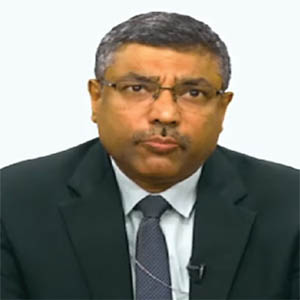 SHRI S. KRISHNAN
SECRETARY- MINISTRY OF ELECTRONICS AND INFORMATION TECHNOLOGY,
GOVERNMENT OF INDIA
Shri S. Krishnan, Secretary, Ministry of Electronics and Information Technology (MeitY), Government of India, set the tone by positioning the DPDP Act as a foundational enabler of trust in India's digital ecosystem. He emphasized that data protection is central to citizen confidence, economic growth, and innovation. His address highlighted the importance of balancing individual rights with responsible data use, underscoring that digital autonomy can only be achieved when governance, technology, and institutional accountability move in alignment.
--------------------------------------------------------------------------------------------------------------------------------------
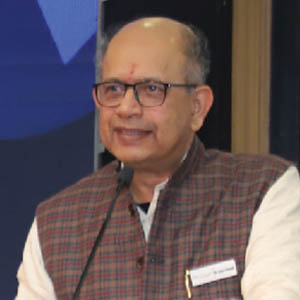 DR. AMAR PATNAIK
FORMER MEMBER OF PARLIAMENT, RAJYA SABHA
Dr. Amar Patnaik, former Member of Parliament and public policy thinker, delivered a keynote that reframed the DPDP Act as a shift from compliance burden to competitive catalyst. He spoke about digital autonomy as a democratic and economic imperative, arguing that strong data protection frameworks can strengthen institutional credibility, foster inno vation, and support India's long-term sovereign digital ambitions.
-----------------------------------------------------------------------------------------------------------------------------------
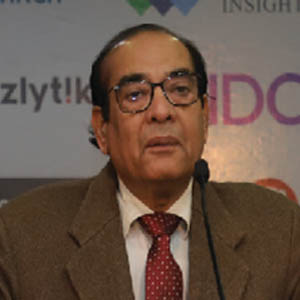 DR. GULSHAN RAI
FORMER NATIONAL CYBER SECURITY COORDINATOR
Shri Gulshan Rai, former National Cyber Security Coordinator and former Director General of CERT-In, focused on trust, accountability, and national digital resilience. He reflected on the evolving cyber and data protection landscape, stressing that laws alone are insufficient without strong institutional mechanisms, awareness, and execution. He emphasized that digital trust is a strategic national asset that must be protected through coordinated governance and responsible data stewardship.
-------------------------------------------------------------------------------------------------------------------------------------
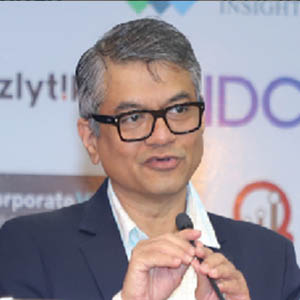 VINAYAK GOOSE
CEO, DATA SECURITY COUNCIL OF INDIA
Shri Vinayak Godse, CEO of the Data Security Council of India (DSCI), spoke on the industr y's readiness and shared responsibility in operationalizing the DPDP Act. He highlighted the need for standardized privacy practices, sectoral collaboration, and continuous capacity building. His remarks reinforced that compliance must evolve into a sustained organizational discipline, supported by security-by-design and privacy-by-design principles.
------------------------------------------------------------------------------------------------------------------------------------
 SUDHIR SAHU
FOUNDER & CEO, DATA SAFEGUARD
Shri Sudhir Sahu, Founder & CEO, Data Safeguard, highlighted the benefits of personal data protection under the DPDP Act, contextualized the benefits for the Indian Citizens and called on the privacy community to create the trust framework. He emphasized on adoption of Unified Privacy Automation framework, Elimination of Redundant Privacy Controls, and responsible use of AI are critical to translating the DPDP Act from policy into practice. His address reinforced that privacy, when operationalized effectively, becomes an enabler of trust, scale, and sustainable digital growth.
------------------------------------------------------------------------------------------------------------------------------------------
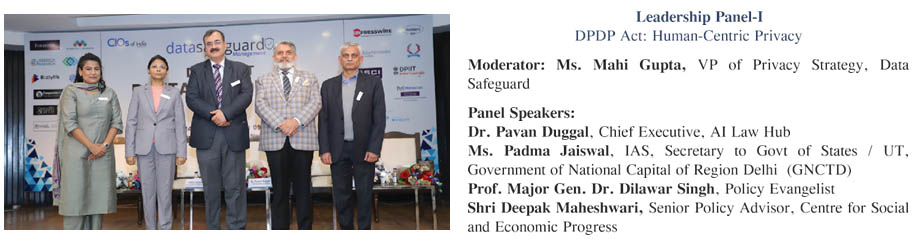
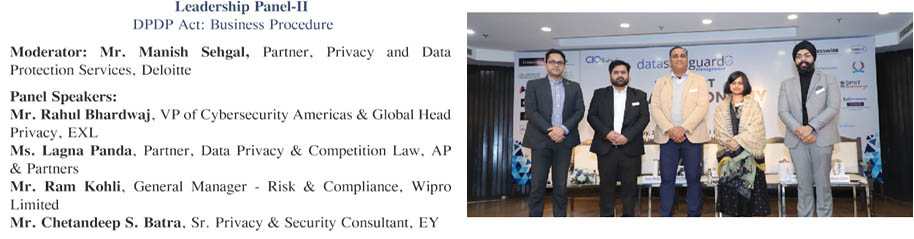
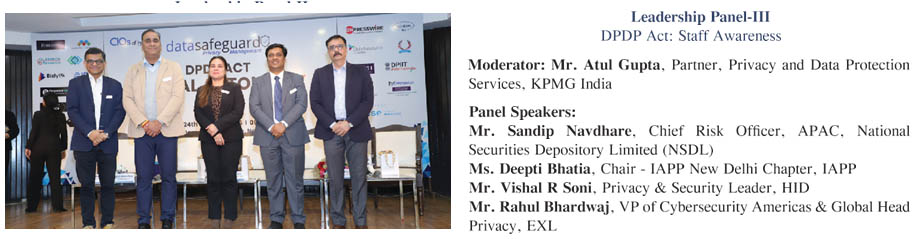
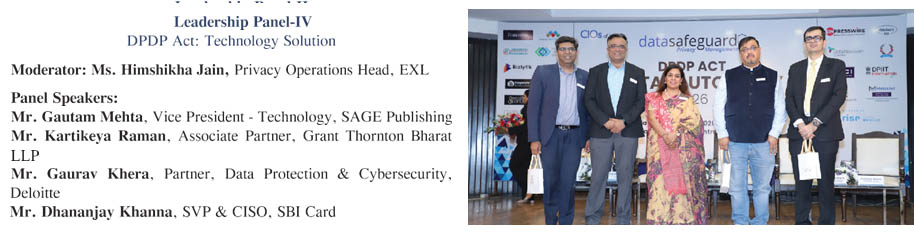
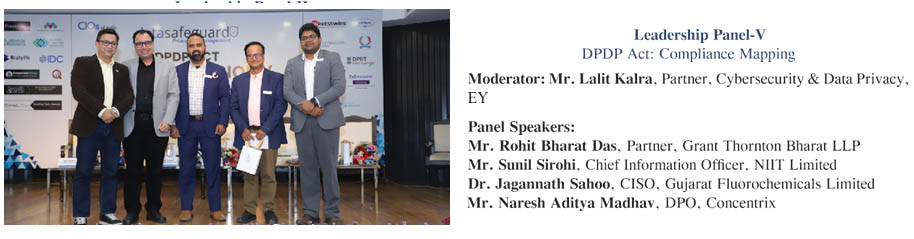
THE SECOND HALF OF THE FORUM FEATURED FIVE LEADERSHIP PANEL DISCUSSIONS, ALIGNED WITH KEY IMPLEMENTATION THEMES UNDER THE DPDP ACT:
 |
 |
 |
 |
 |

See What’s Next in Tech With the Fast Forward Newsletter









Tweets From @varindiamag
Nothing to see here - yet
When they Tweet, their Tweets will show up here.